Overview

A solo presentation of works by Reza Aramesh at Dastan's Basement.
Works


Reza Aramesh, Action 608: At 5:06 am Tuesday 14 April 2015, 2025
Installation Views
-
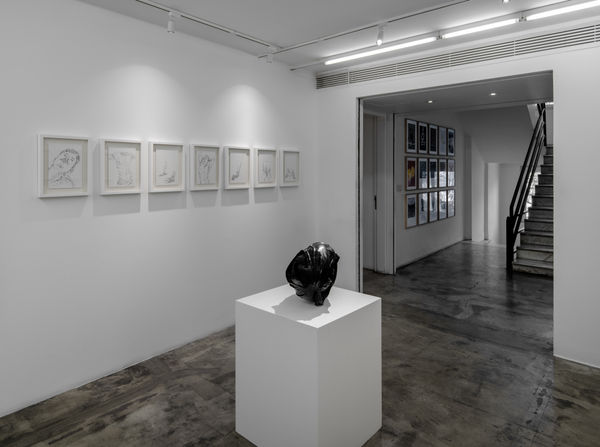
 Installation view of To Be Made Flesh Again After James Baldwin a solo presentation of works by Reza Aramesh.
 -
Installation view of To Be Made Flesh Again After James Baldwin a solo presentation of works by Reza Aramesh.
-
Installation view of To Be Made Flesh Again After James Baldwin a solo presentation of works by Reza Aramesh.
-
Installation view of To Be Made Flesh Again After James Baldwin a solo presentation of works by Reza Aramesh.
-
Installation view of To Be Made Flesh Again After James Baldwin a solo presentation of works by Reza Aramesh.
-
Installation view of To Be Made Flesh Again After James Baldwin a solo presentation of works by Reza Aramesh.
-
Installation view of To Be Made Flesh Again After James Baldwin a solo presentation of works by Reza Aramesh.
-
Installation view of To Be Made Flesh Again After James Baldwin a solo presentation of works by Reza Aramesh.
-
Installation view of To Be Made Flesh Again After James Baldwin a solo presentation of works by Reza Aramesh.
-
Installation view of To Be Made Flesh Again After James Baldwin a solo presentation of works by Reza Aramesh.
-
Installation view of To Be Made Flesh Again After James Baldwin a solo presentation of works by Reza Aramesh.
-
Installation view of To Be Made Flesh Again After James Baldwin a solo presentation of works by Reza Aramesh.
-
Installation view of To Be Made Flesh Again After James Baldwin a solo presentation of works by Reza Aramesh.
-
Installation view of To Be Made Flesh Again After James Baldwin a solo presentation of works by Reza Aramesh.
-
Installation view of To Be Made Flesh Again After James Baldwin a solo presentation of works by Reza Aramesh.
-
Installation view of To Be Made Flesh Again After James Baldwin a solo presentation of works by Reza Aramesh.
-
Installation view of To Be Made Flesh Again After James Baldwin a solo presentation of works by Reza Aramesh.
-
Installation view of To Be Made Flesh Again After James Baldwin a solo presentation of works by Reza Aramesh.




Press release
Dastan’s Basement is pleased to present
To Be Made Flesh Again
After James Baldwin, a solo exhibition of new works by Reza Aramesh, on view from December 12, 2025, through January 2, 2026. This exhibition showcases two new bodies of work, including “Study of the Head as Cultural Artefacts” and “Study for Fragment of the Self” which continue Aramesh’s exploration of embodiment, fragmentation, and historical representation. The title, drawn from James Baldwin’s book “The Fire, Next Time” (1963), hints at the exhibition’s aim to make history tangible once more.
In his practice, Reza Aramesh transforms photojournalistic images of conflict into enduring sculptures. Working from an extensive archive of war photography, he reenacts selected scenes with models before translating them into hand-carved marble. Through this process, fleeting moments of suffering are slowed down and recontextualized in dialogue with classical European art. The solidity of marble lends a timeless monumentality, bridging present-day trauma with the aesthetics of Renaissance and Baroque sculptures. Stripping away overt markers of war, Aramesh displaces his figures from their original context, creating a tension between beauty and brutality that reveals the futility of violence even as it grants dignity to unseen subjects.
In “Study of the Head as Cultural Artefacts,” Aramesh presents disembodied human heads as cultural relics. Severed from their bodies and contexts, each head becomes a silent witness to conflict, imbued with haunting dignity as it testifies to atrocity. By treating these heads as artefacts, Aramesh invites reflection on how violence is memorialized and how suffering might be transmuted into symbols of resilience and remembrance.
In contrast, “Study for Fragment of the Self” comprises a series of marble sculptures of hands suggestively of himself, in more intimate situations. The arms and the limbs in this series are not de-clothed as the ones imagined from war photography, they carry contemporary objects such as flip-flops and caps and wristbands. His use of material transforms a private moment into a universal reflection of identity.
The exhibition’s title encapsulates Aramesh’s intent to re-embody history’s traumas in tangible form. Baldwin’s influence is evident in the insistence on giving flesh to painful truths: Aramesh sculpts oppression and resilience into marble and bronze so they confront us in the present.
